Catagories
Most Popular
A plastic with high strength is not necessarily resistant to impact. Some materials can withstand substantial static loads but fracture
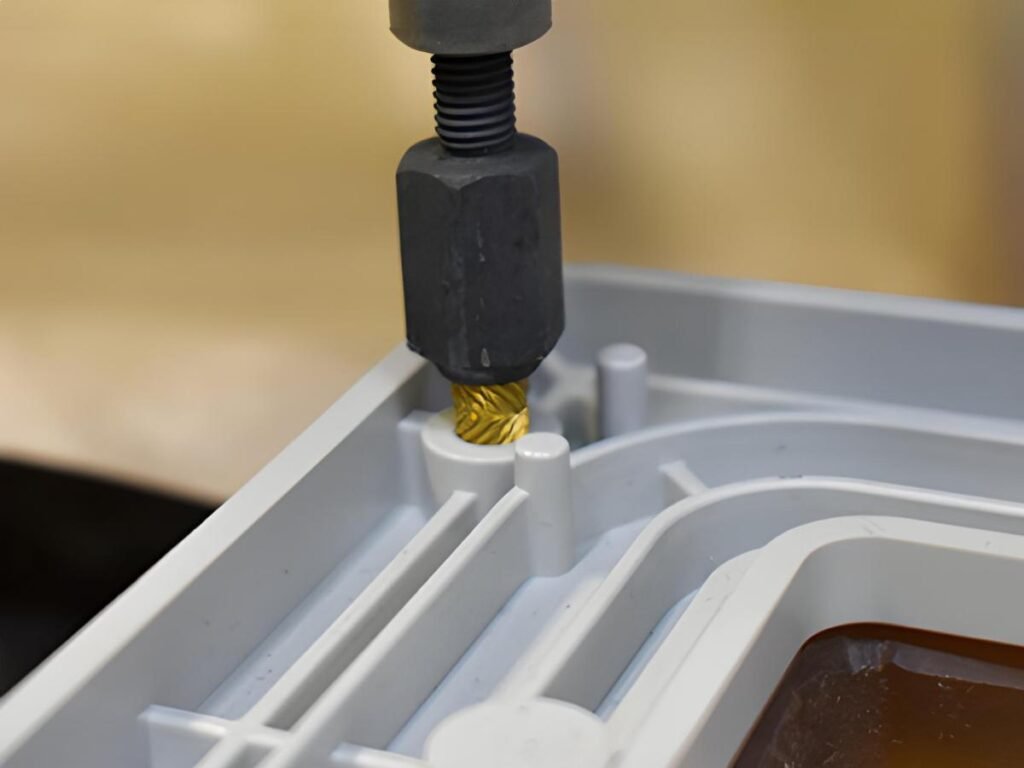
When plastic parts need to be joined securely, heat staking offers an alternative to screws, adhesives, and snap fits. The
Investment casting produces metal parts by creating a ceramic mold around a wax pattern. It gives engineers greater freedom to
Corrosion can reduce component service life, compromise structural integrity, and increase maintenance costs. Selecting the right corrosion resistant alloy helps
Copper CNC machining produces precise components with excellent electrical and thermal conductivity. The choice of copper grade and machining method
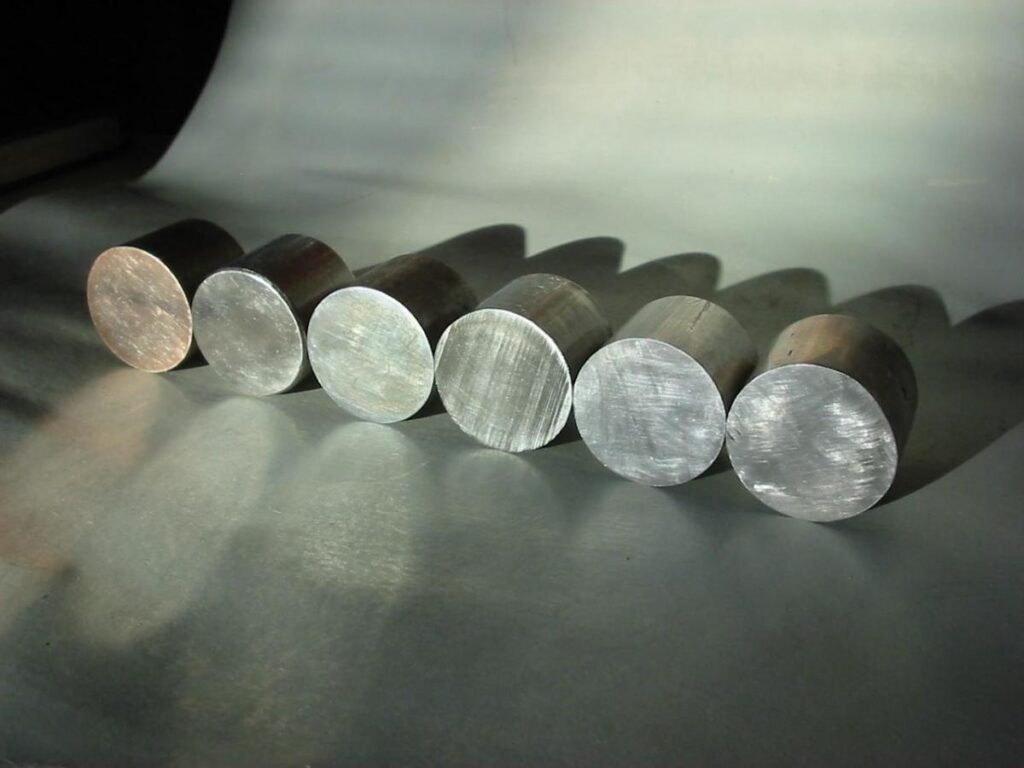
Aluminum molds offer several practical advantages, including faster machining, lower tooling costs, and efficient heat transfer. However, they are generally
Mold cost is a one-time investment that affects every part produced afterward. A well-designed tool reduces scrap, shortens cycle time,
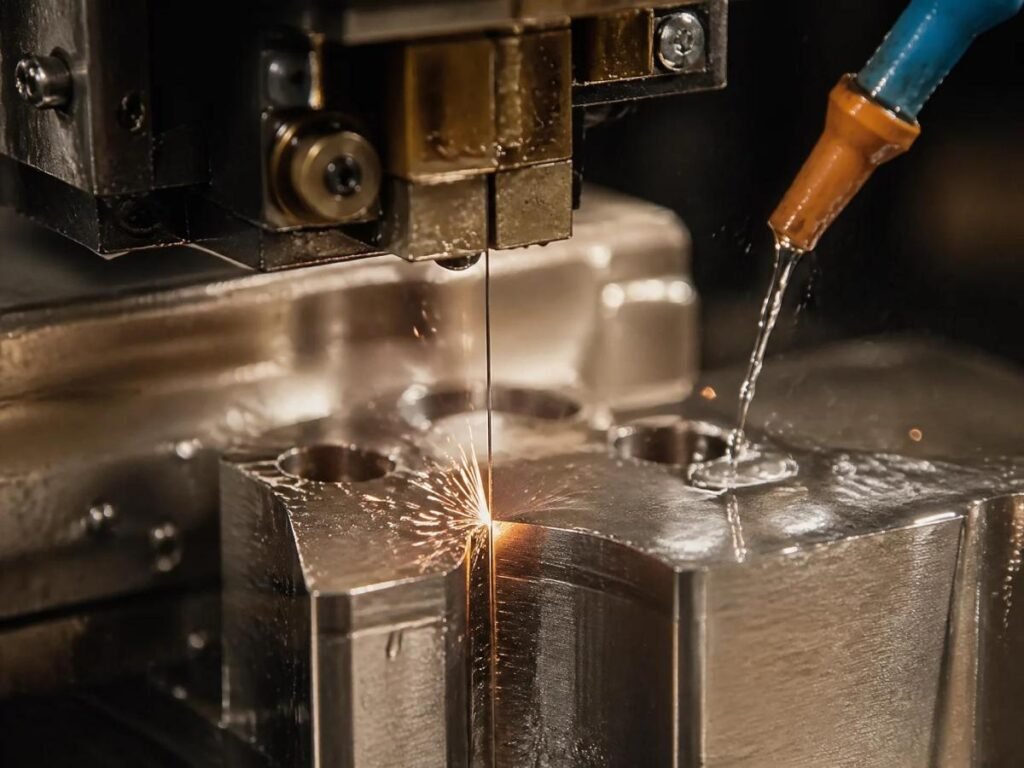
Designers sometimes need features that conventional cutters cannot reach, such as thin slots, deep cavities, and tiny radii. Electrical discharge
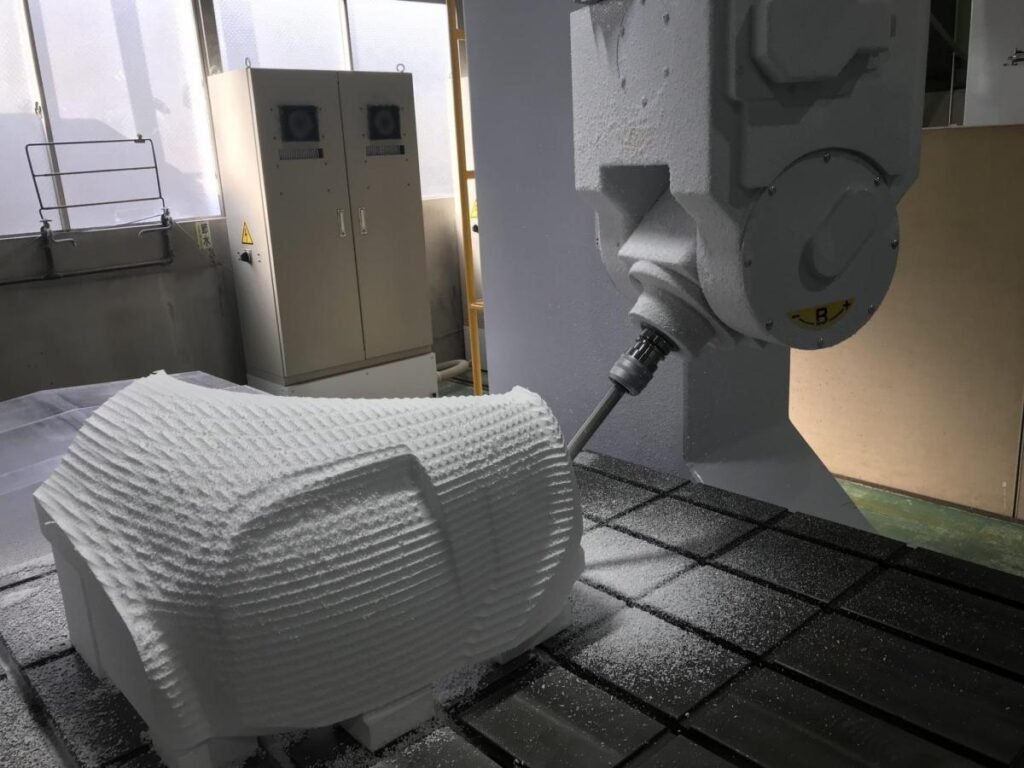
Polystyrene (PS) can be CNC machined as solid plastic or foam. Foam is more common in CNC applications and is
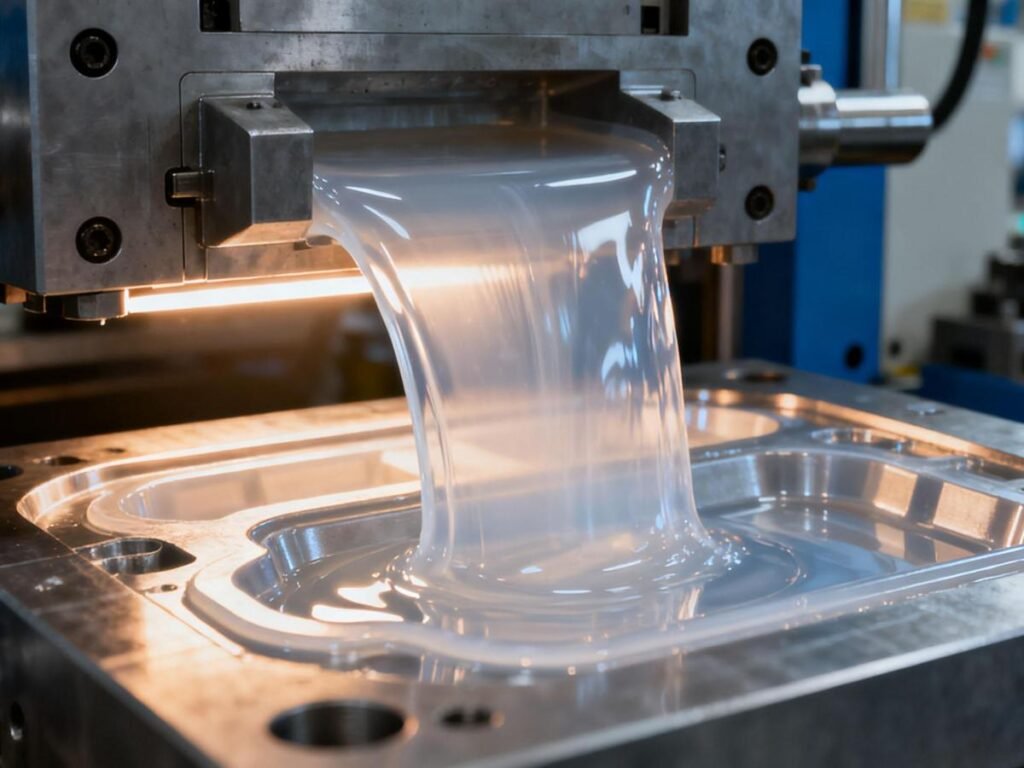
Among silicone molding methods, LSR injection is well suited for thin walls, fine features, and consistent batches. Its closed, automated
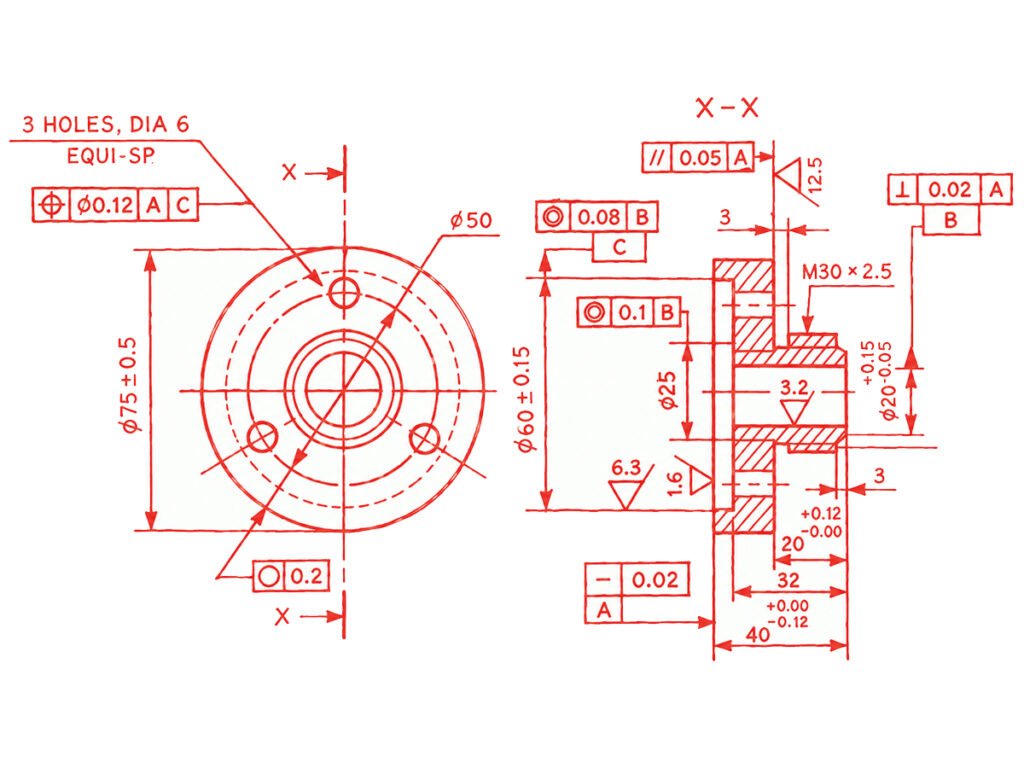
No part is ever made exactly to size. The question is how much variation the design can tolerate, and how